A Family Business Shaped by Discipline
Buddy Valastro stands as a vivid example of inherited responsibility transformed into public distinction. His full name, Bartolo Buddy Valastro III, signals lineage before personality. That matters because his story is inseparable from continuity, obligation, and craft. Born on March 3, 1977, in Hoboken, New Jersey, he entered a world where baking was not ornamental. It was vocational, communal, and relentless.
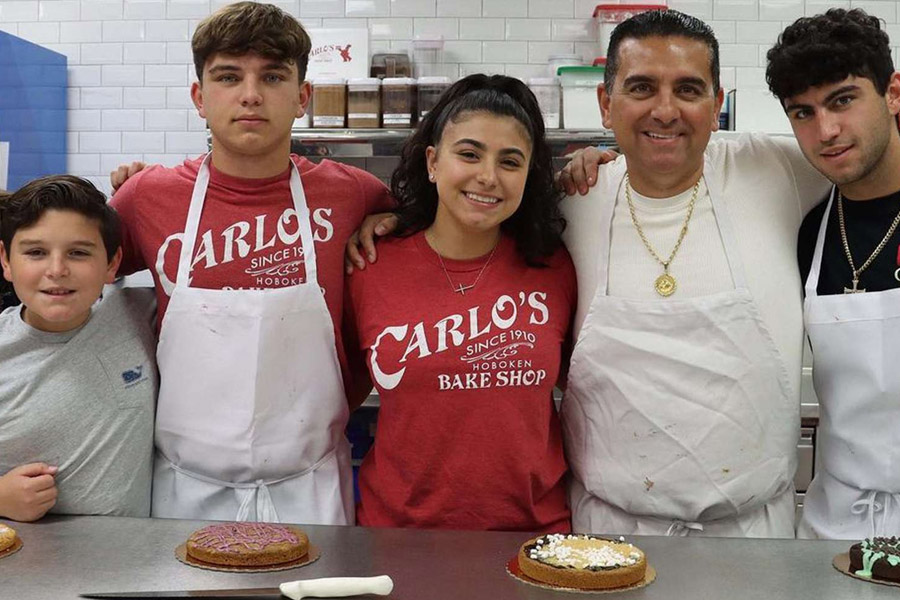
His upbringing at Carlo’s Bakery placed him inside a working tradition rather than near one. The bakery was not a weekend novelty or a ceremonial backdrop. It was an active household engine, powered by repetition, urgency, and family expectation. From an early age, Buddy absorbed the vocabulary of ovens, dough, and deadlines. That education was practical, not sentimental. It forged competence through immersion.
Hoboken also shaped his temperament. The city is compact, energetic, and unsparing. That environment can produce a hardened sense of timing and attention. Buddy’s public bearing reflects that kind of urban grit. His success did not arrive from abstraction. It emerged from a neighborhood rhythm that rewards steadiness and speed.
Early Life and Family Formation
Buddy’s identity was formed through proximity to work and kin. His father, Bartolo Valastro Sr., helped establish the bakery legacy that Buddy later expanded. His mother, Mary Valastro, contributed to the emotional architecture surrounding the family enterprise. Together, they created a household where labor and affection were deeply entwined. That fusion made the bakery feel like an extension of the family table.
As the third Bartolo in the line, Buddy carried a name with historical weight. A third-generation name often implies a mandate. In his case, that mandate was visible in the business itself. He did not inherit a static emblem. He inherited a living institution that demanded maintenance. That distinction is crucial.
The Valastro family dynamic has long been central to Buddy’s public identity. His siblings, especially his sisters, have appeared as part of the broader family narrative. Their presence reinforced a collective spirit. Nothing about the family seemed isolated or purely individualistic. Even success was shared in tone.
The death of his father changed Buddy’s life permanently. It shifted him from son to steward. That transition required more than competence. It required emotional endurance and managerial firmness. He had to preserve a family legacy while also renewing it. That burden can be immense. He accepted it and carried it forward.
Marriage and Domestic Continuity
Buddy’s wife, Lisa Valastro, has been one of the stabilizing presences in his adult life. Their marriage reflects durability rather than spectacle. It has lasted through public pressure, business growth, and family obligations. That kind of partnership matters in a life as visible as his. Stability at home supports visibility outside it.
They have four children, and fatherhood reshaped Buddy’s public image. He became more than a bakery owner or television figure. He became a parent balancing ambition with household continuity. That balance is never effortless. It requires scheduling, patience, and a sense of proportion. Buddy’s family life gave his public persona a more humane dimension.
His children also represent succession in a broader sense. In families with business traditions, the next generation often becomes part of the story before it becomes part of the business. That is true here. Their presence suggests an ongoing line rather than a closed chapter. The family remains a developing structure.
Buddy’s domestic identity is important because it moderates the drama of fame. Television can inflate personality. Family restores scale. Lisa, the children, and the broader Valastro circle keep his life rooted in ordinary obligations. That grounding is part of why his story resonates. It feels lived rather than manufactured.
Carlo’s Bakery and Professional Expansion
Carlo’s Bakery is the central pillar of Buddy Valastro’s career. He transformed it from a respected family operation into a nationally recognized brand. That was not merely commercial expansion. It was cultural translation. He made an old-world bakery legible to a wide modern audience.
His work in baking is both technical and performative. Custom cakes under his direction became elaborate objects of celebration. These are not simple desserts. They are engineered expressions of event and status. Each cake requires precision, coordination, and aesthetic judgment. The result is edible architecture with public appeal.
Buddy’s rise also depended on his television visibility. He became a recognizable figure by merging production skill with expressive family theater. That combination was potent. Audiences could see craftsmanship, tension, and affection in the same frame. He understood how to present tradition without embalming it. That was a valuable gift.
His business responsibilities extend beyond decoration and publicity. He has had to manage staffing, expansion, operations, and brand continuity. Those are less visible tasks, yet they define the durability of any enterprise. A bakery may look warm and spontaneous from outside. Inside, it depends on exacting logistics. Buddy’s career shows that clearly.
Public Success and Financial Structure
Buddy Valastro’s financial story is best understood as cumulative. It is built from multiple revenue streams, including bakery ownership, television work, and brand licensing. That structure differs from fame that arrives all at once. It is more gradual and more durable. A local business became a broader economic platform.
His success reflects long-term accretion rather than abrupt ascent. That gives his financial profile a disciplined texture. Every expansion required labor, timing, and adaptation. Every new layer of visibility came with more responsibility. He did not simply become famous. He had to support fame with operations.
The bakery’s growth also introduced financial complexity. Higher visibility brings larger payrolls, greater supply demands, and heightened public scrutiny. It is easy to admire a polished brand without considering the margins beneath it. Buddy’s work required attention to both surfaces and structures. That dual burden is part of his achievement.
A small table clarifies the central pillars of his public life.
| Area | Description |
|---|---|
| Family business | Carlo’s Bakery |
| Profession | Baker, entrepreneur, television personality |
| Home base | Hoboken, New Jersey |
| Family role | Husband and father |
| Public identity | Face of family run baking |
This table compresses a larger truth. Buddy’s life is organized around interdependent roles. He is not one thing alone. He is a compound figure shaped by work, family, and media visibility.
Character Resilience and Public Image
Buddy’s enduring appeal comes from resilience. He has faced pressure from business growth, family loss, and public expectation. Those experiences could have fragmented his identity. Instead, they seem to have sharpened it. He presents himself as someone who kept showing up. That consistency matters more than glamour.
His image is strong because it remains legible. People understand the contours of his life quickly. Baker, husband, father, entrepreneur, son. Each role supports the others. The result is a persona that feels integrated. He does not appear detached from the setting that made him. He appears embedded in it.
That embeddedness is rare in celebrity culture. Many public figures become abstract brands. Buddy remains tied to flour, family, and daily labor. Even when the work grows theatrical, the center stays domestic. That is why his story has emotional force. The bakery is not only a business. It is an inheritance made visible.
Key Takeaways
Buddy Valastro’s life is defined by generational continuity and practical discipline. His name, family, and birthplace all connect him to a durable regional legacy. Carlo’s Bakery became both a business and a public symbol because he treated it as a living family institution.
His marriage to Lisa Valastro and his role as a father deepen the personal dimension of that legacy. The family remains central to his identity, not decorative. His story is strongest when viewed as a layered account of stewardship, labor, and public adaptation. He did not just inherit a bakery. He carried it forward, expanded it, and kept its family core visible.